


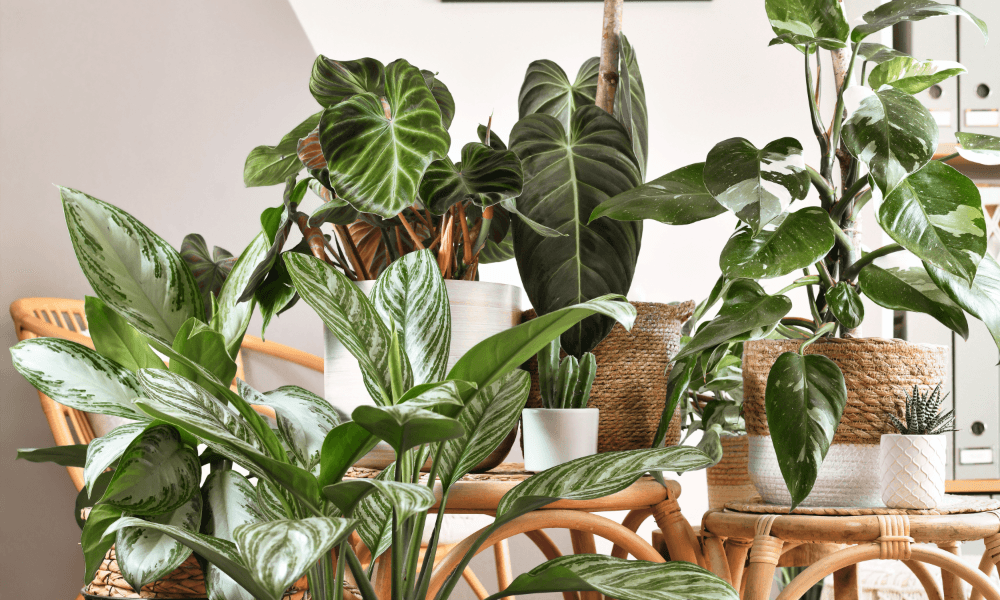
Creating a balcony garden is a rewarding way to bring nature into your urban living space. You may have a small balcony or a spacious one. A well-planned garden transforms it into a peaceful retreat filled with fresh herbs and vibrant flowers, as well as lush greenery. This guide will help you design and maintain a thriving balcony garden step by step.
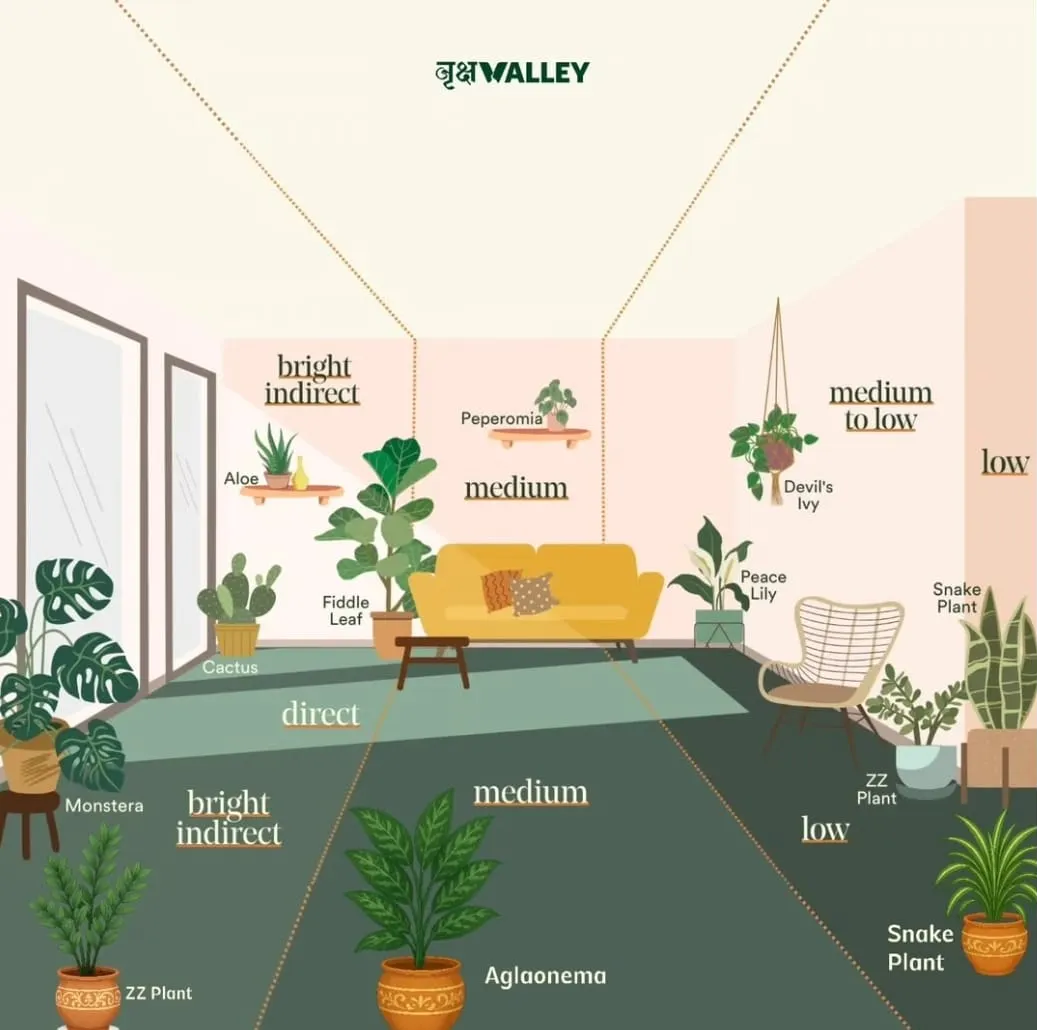
1. Assess Your Balcony's Light Conditions
Light is the most important factor in plant health. Observe how much sunlight your balcony receives throughout the day:
- Full Sun (6+ hours): Ideal for flowering plants, herbs such as basil, tomatoes and peppers.
- Partial Sun (3 to 6 hours): Perfect for ferns, begonias and leafy greens.
- Shade (under 3 hours): Best for snake plants, peace lilies and money plants.
Choosing plants that match your balcony's light conditions ensures healthier growth and reduces maintenance.
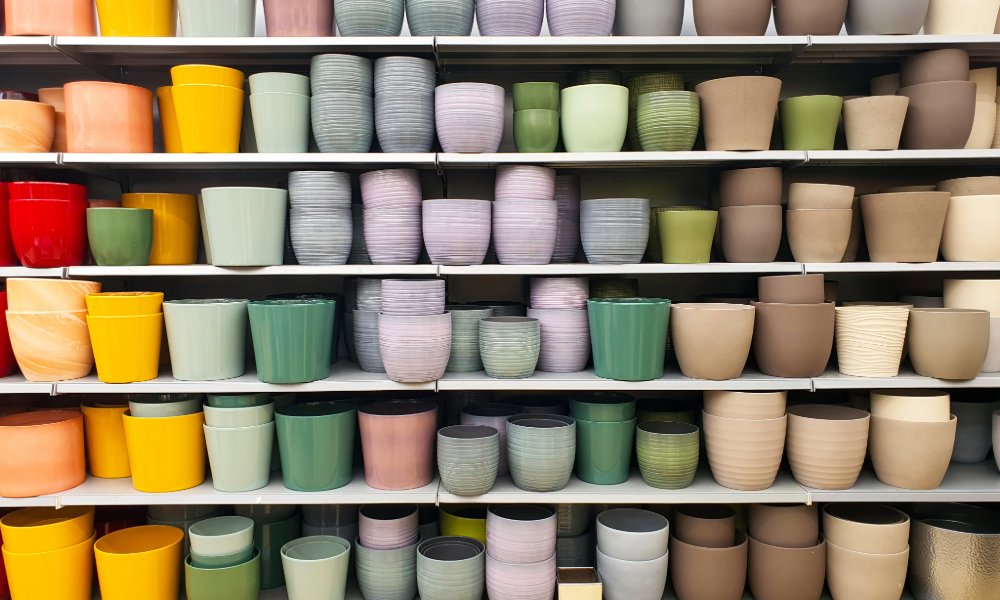
2. Choose the Right Containers and Pots
Container choice impacts plant health, drainage and aesthetics. Keep these tips in mind:
- Drainage holes: Ensures drainage is essential to prevent root rot. All pots must have drainage at the bottom.
- Size matters: Larger pots hold more soil and retain moisture better. Small pots dry out quickly and need frequent watering.
- Material options:
- Terracotta: Breathable and classic but heavier.
- Plastic: Lightweight and affordable. Good for hanging planters.
- Ceramic: Decorative but can be fragile.
- Grow bags: Space-efficient and promote healthy root growth.
Use a mix of pot sizes for variety. Tall pots work well for herbs. Hanging baskets add vertical interest. Wide containers suit flowering plants and vegetables.
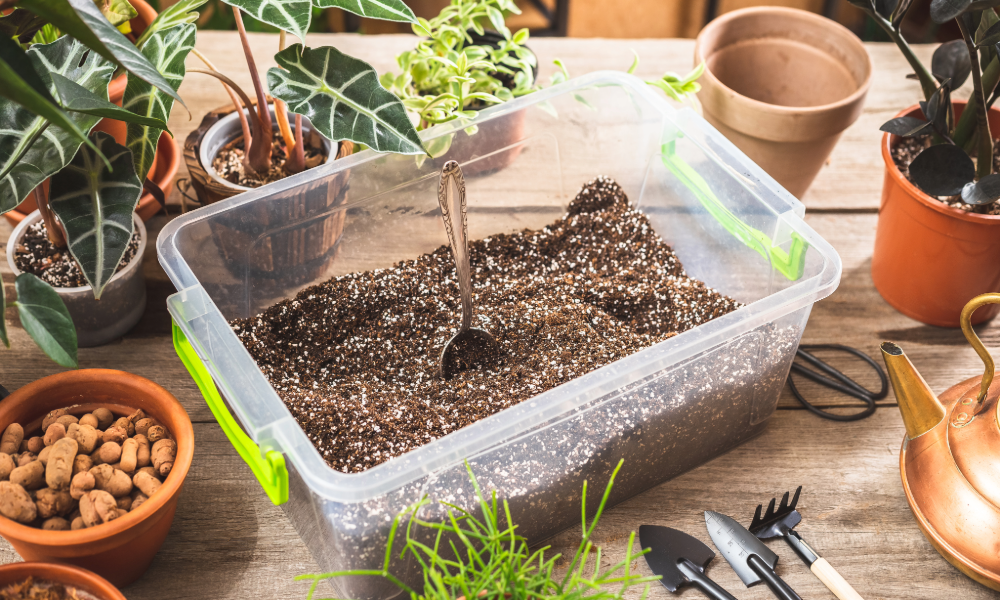
3. Use Quality Potting Mix, Not Garden Soil
Regular garden soil is too heavy for containers and may contain pests or diseases. Use a well-draining potting mix designed for container gardening. Mix in:
- Compost: Adds nutrients and improves soil structure.
- Perlite or Cocopeat: Enhances drainage and prevents soil compaction.
- Organic Fertilizer: Boosts plant growth naturally.
Healthy soil means healthy roots. Healthy roots lead to thriving plants.
4. Select the Right Plants for Your Space
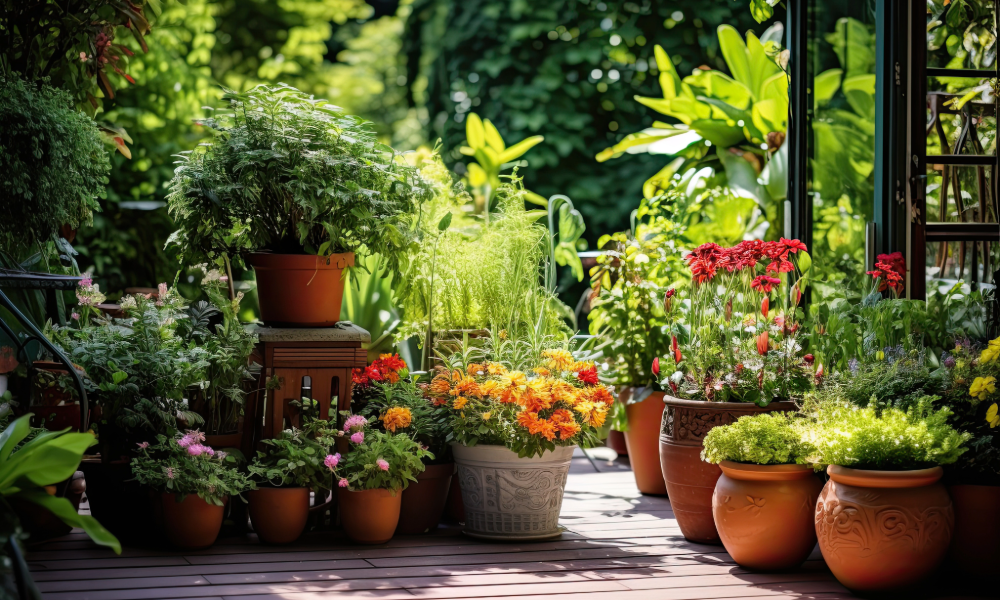
Choose plants based on sunlight, space and your gardening goals:
For Edibles:
- Herbs: Basil, mint, coriander, parsley and rosemary.
- Vegetables: Cherry tomatoes, chillies, lettuce and radishes.
- Fruits: Strawberries or dwarf citrus trees in larger pots.
For Ornamentals:
- Flowering plants: Petunias, marigolds, geraniums and bougainvillea.
- Foliage: Money plant, snake plant, ferns and areca palm.
- Climbers: Jasmine, morning glory or English ivy for vertical gardening.
Mix herbs, flowers and greenery for a balanced and beautiful balcony garden.
5. Establish a Watering Schedule
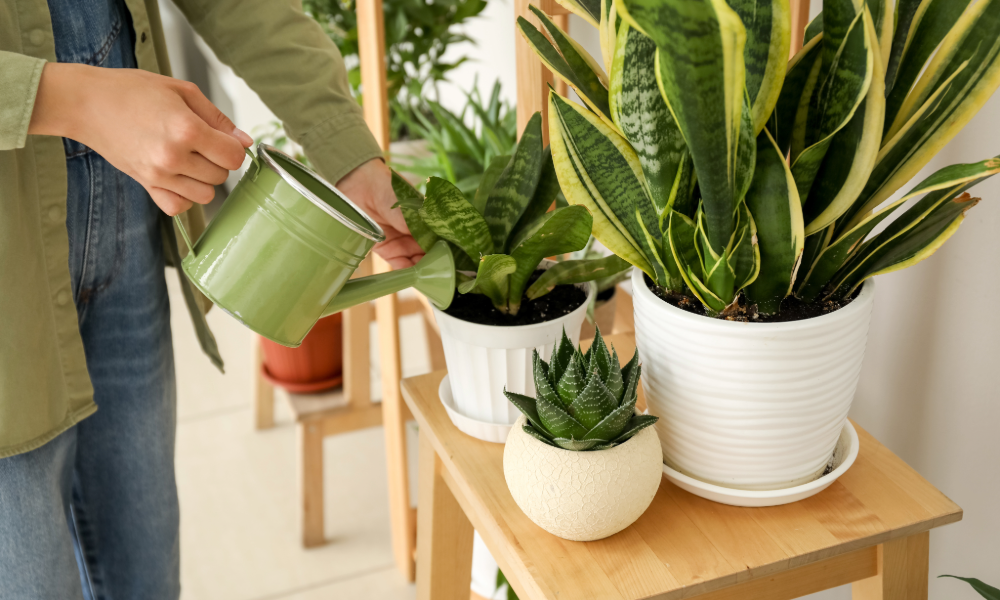
Consistent watering is crucial for container plants. Since pots dry out faster than garden beds, follow these guidelines:
- Morning watering: Best time to water plants. It allows foliage to dry during the day and reduces fungal issues.
- Check soil moisture: Stick your finger 2 inches into the soil. If it feels dry, water thoroughly.
- Drainage is key: Water until it drains from the bottom. Ensure saucers do not hold standing water.
- Seasonal adjustments: Water more frequently during summer. Reduce watering in winter and monsoon.
Consider self-watering pots or drip irrigation if you travel frequently.
6. Fertilize Regularly for Healthy Growth
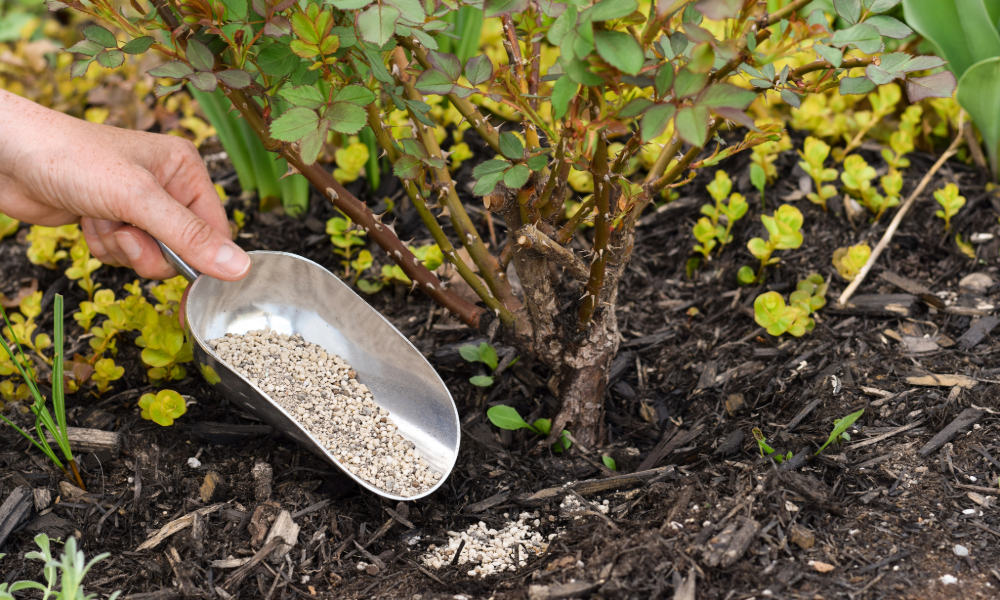
Container plants deplete nutrients faster than ground plants. Feed them regularly to keep them thriving:
- Organic options: Compost tea, vermicompost or banana peel fertilizer.
- Chemical fertilizers: Use balanced NPK (Nitrogen, Phosphorus, Potassium) formulas during growing season.
- Frequency: Fertilize every 2 to 3 weeks in spring and summer. Reduce feeding in fall and winter.
Over-fertilizing can harm plants. Always follow package instructions.
7. Add Decor and Personal Touches
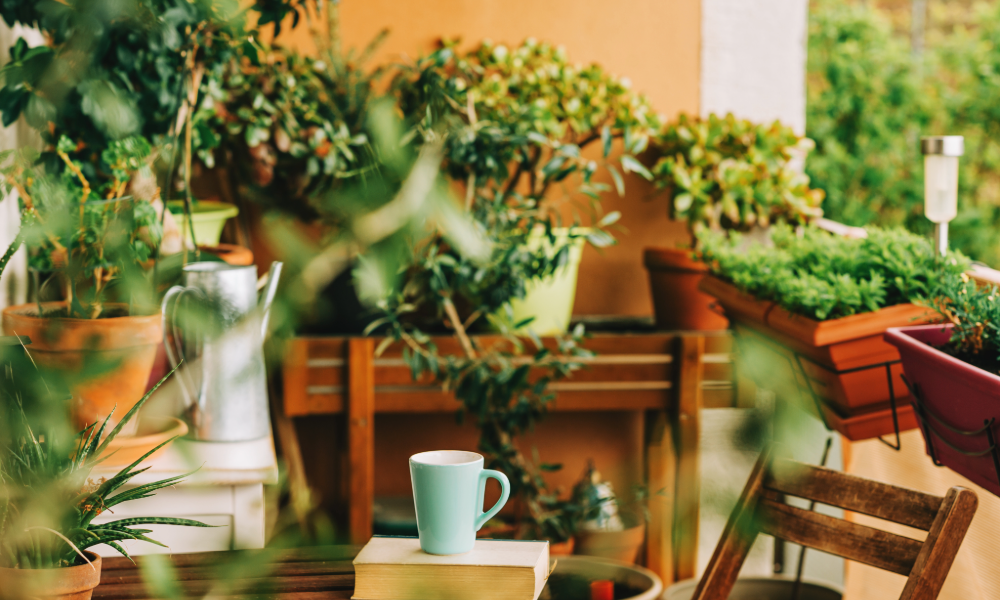
A balcony garden is more than plants. It is your personal outdoor retreat. Enhance the space with:
- Vertical elements: Wall-mounted planters, trellises or hanging pots save floor space.
- Seating: A small chair or bench makes the space more inviting.
- Lighting: String lights or solar lanterns create ambiance for evenings.
- Decorative touches: Pebbles, colorful pots or garden figurines add personality.
Your balcony garden should reflect your style and be a place you love spending time in.
8. Maintain and Prevent Common Issues
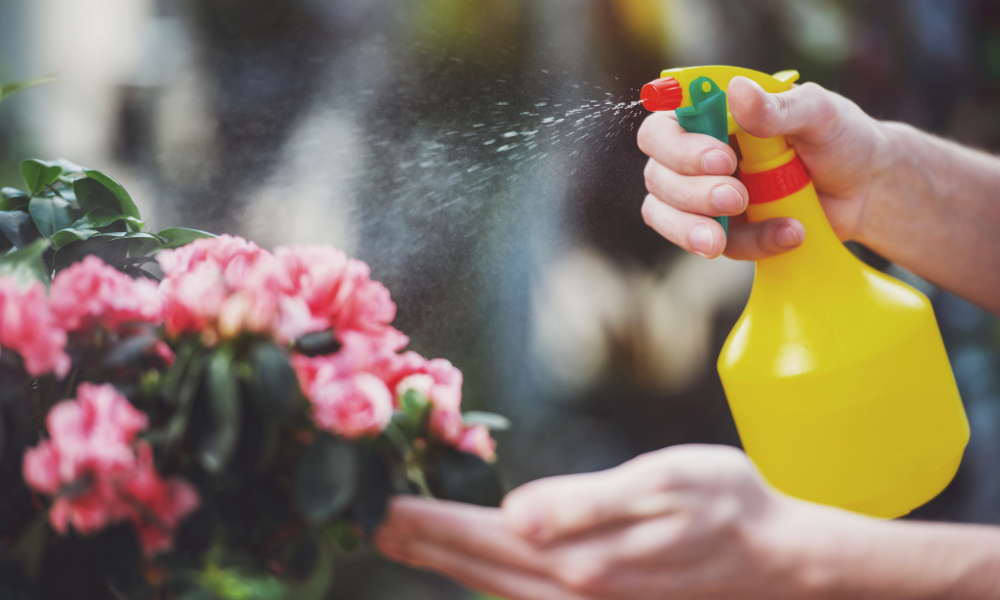
Regular care keeps your balcony garden healthy and beautiful:
- Prune regularly: Remove dead leaves, spent flowers and leggy stems to encourage new growth.
- Monitor pests: Check for aphids, mealybugs or whiteflies. Use neem oil spray as an organic treatment.
- Rotate plants: Turn pots weekly to ensure even light exposure and balanced growth.
- Protect from harsh weather: Move delicate plants indoors during extreme heat, frost or heavy rain.
A little attention each day keeps your garden thriving effortlessly.
Benefits of Having a Balcony Garden
Creating a balcony garden offers numerous advantages beyond aesthetics:
- Improves air quality: Plants filter pollutants and release fresh oxygen.
- Reduces stress: Gardening is a therapeutic activity that promotes relaxation.
- Fresh produce: Grow your own herbs and vegetables for chemical-free meals.
- Enhances home value: A green balcony adds curb appeal and visual interest.
- Connects you with nature: Even in urban settings, gardening keeps you grounded and mindful.
Common Mistakes to Avoid
New balcony gardeners often make these avoidable mistakes:
- Overcrowding: Too many plants compete for light and nutrients. Give each plant enough space.
- Ignoring drainage: Poor drainage causes root rot. Always use pots with holes.
- Wrong plant choices: Choosing sun-loving plants for a shaded balcony leads to failure.
- Overwatering: More water does not mean healthier plants. Water only when soil is dry.
- Skipping fertilization: Container plants need regular feeding to stay healthy.
Avoiding these mistakes ensures a thriving and low-maintenance balcony garden.
Final Words
Creating a balcony garden is a fulfilling and creative project that transforms your outdoor space into a green sanctuary. Follow these steps- assess light, choose the right containers, use quality soil, select appropriate plants and maintain consistently- you can enjoy a lush garden all year round. Start small, learn as you grow and soon your balcony will be your favorite spot at home.
FAQs
What plants are best for a small balcony?
Herbs such as basil, mint and coriander, flowering plants such as petunias and marigolds and compact greenery such as money plant work best for small spaces.
How often should I water my balcony garden?
Water when the top 2 inches of soil feel dry. In summer, this may be daily. In winter, reduce frequency to 2 to 3 times a week.
Can I grow vegetables on a balcony?
Yes! Cherry tomatoes, chillies, lettuce and radishes thrive in containers with 6+ hours of sunlight and regular watering.